
Summer Habitat Maintenance


What Landowners Should Be Doing Right Now
Summer is one of the most important times of the year for landowners who care about wildlife habitat. By mid-summer, fields, wetlands, food plots, grasslands, and woodland edges are full of life. Fawns are on the ground, broods are moving through cover, songbirds are raising young, and pollinators are working across native plants and flowering field edges.
For landowners, this season is not always about major habitat work. In many cases, summer is about observation, maintenance, and planning ahead. The work done now can help protect nesting cover, improve food sources, control invasive species, and prepare the land for successful fall habitat projects.
Whether you manage a few acres or a larger property, summer is the time to walk your land, take notes, and make smart decisions that benefit wildlife throughout the year.
Spot-Spraying Invasive Species
One of the most important summer habitat tasks is watching for invasive plants before they take over. Species such as Canada thistle, spotted knapweed, buckthorn, honeysuckle, reed canary grass, Phragmites, wild parsnip, and other aggressive plants can quickly reduce habitat quality if left unchecked.

Summer is a good time to identify problem areas and spot-treat invasive species while avoiding unnecessary disturbance to native plants. Spot-spraying allows landowners to focus treatment only where it is needed instead of impacting an entire field, wetland edge, or planting area.
When treating invasive plants, timing matters. Some species are best controlled before they go to seed, while others may require treatment later in the growing season. Always follow label directions, use the proper herbicide for the site, and be especially careful near wetlands, ponds, streams, and other sensitive areas. In wetland areas, only products labeled for aquatic or wetland use should be considered.
The goal is not simply to remove unwanted plants. The goal is to give native grasses, wildflowers, shrubs, and trees a better chance to compete. Healthy native plant communities provide nesting cover, brood habitat, food, shelter, and long-term benefits for wildlife.
Monitoring Food Plots
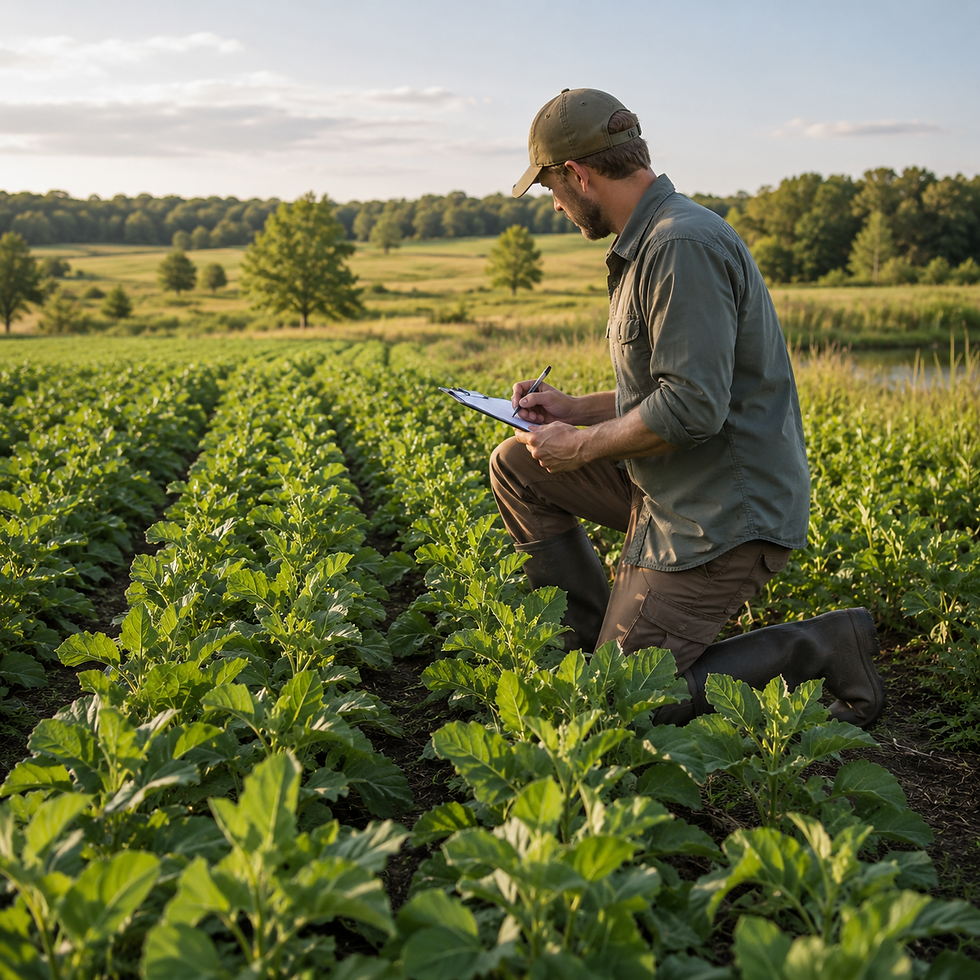
Food plots should not be ignored once they are planted. Summer is the time to evaluate how well they are growing and whether they are providing the wildlife value you intended.
Walk your food plots and look at plant growth, weed pressure, soil moisture, browse pressure, and bare spots. Some plots may be doing well, while others may need adjustments in the future. If deer, turkeys, pheasants, or other wildlife are using the plot heavily, that is a good sign. However, heavy browsing may also mean the plot is too small or needs additional plant diversity.
Landowners should also pay attention to weeds. A few weeds are not always a problem, especially if they provide cover or insect habitat, but aggressive weeds can crowd out the plants you are trying to establish. If a food plot is struggling, summer observations can help determine whether the issue is poor soil fertility, lack of sunlight, drought stress, seed selection, planting depth, or timing.
This is also a good time to begin planning fall food plots. Fall plantings such as brassicas, cereal grains, clover, winter rye, oats, and other cool-season options can provide excellent food sources later in the year. The best fall food plots usually begin with good summer planning.
Planning Fall Habitat Projects
Many habitat improvements are best completed in late summer, fall, or early winter. That makes summer the perfect time to plan ahead.
Landowners should use this time to identify areas that could benefit from improvement. These may include old fields that need native grass plantings, woodland edges that need thinning, wetland edges that need invasive control, trails that need maintenance, or food plots that need soil preparation.
Planning now gives landowners time to order seed, line up equipment, schedule contractors, prepare access routes, and check cost-share or technical assistance options. Waiting until fall often means missing the best window to complete the work.
Fall can be an excellent time for planting native grasses and wildflowers, controlling woody invasives, preparing sites for frost seeding, creating edge feathering, improving travel corridors, and enhancing winter cover. Summer scouting helps landowners decide which projects should be tackled first.
A simple habitat notebook can be a valuable tool. Write down what you see, where problem areas are located, what wildlife is using the property, and what needs attention. Photos taken during summer can also help compare changes from year to year.
Evaluating Nesting Cover
By summer, many ground-nesting birds have already used grasslands, field edges, wetlands, and native plantings for nesting. Pheasants, wild turkeys, ducks, meadowlarks, bobolinks, and other birds depend on undisturbed cover during the nesting season.
Landowners should evaluate whether their property provided enough nesting cover and whether that cover was protected during the most critical time of year. Tall grasses, native vegetation, brushy edges, and undisturbed wetland buffers can all play an important role.

One of the simplest ways to help nesting wildlife is to delay mowing until later in the summer when possible. Mowing too early can destroy nests, reduce brood cover, and remove important insect habitat that young birds need for food. If mowing is necessary for safety, access, or management reasons, consider mowing in sections instead of cutting everything at once.
Summer is also a good time to look for weak areas in your nesting cover. Are there gaps in the field? Is the cover too thin? Are invasive plants taking over? Is there enough diversity in the grasses and flowering plants? Good nesting habitat should provide concealment, structure, and nearby food sources for young wildlife.
A property that looks a little “messy” during summer may actually be doing exactly what wildlife needs. Tall grass, wildflowers, brushy corners, and wetland edges can provide life-saving cover during the most vulnerable time of year.
Maintaining Wetland Edges
Wetland edges are some of the most valuable areas on a property. They provide food, nesting cover, brood-rearing habitat, travel corridors, and protection for many species of wildlife. Ducks, geese, cranes, songbirds, pheasants, deer, frogs, turtles, and countless insects all benefit from healthy wetland edges.
Summer is the time to inspect these areas carefully. Look for invasive plants, erosion, bare soil, damaged buffers, blocked water movement, or areas where vegetation is being lost. Wetland edges should have a strong buffer of grasses, sedges, shrubs, and native plants to help protect water quality and provide wildlife habitat.
Avoid mowing or clearing wetland edges during the nesting season unless it is necessary. These areas often hold hidden nests, young birds, fawns, and other wildlife. When management work is needed, it is often better planned for late summer, fall, or winter when disturbance is reduced.
Wetland edges also benefit from plant diversity. A mix of native grasses, sedges, rushes, shrubs, and flowering plants provides better habitat than a single species stand. If invasive species are present, controlling them early can prevent long-term habitat loss.
Maintaining wetlands is not just about water. It is about protecting the transition zone between water and upland habitat. That edge is where much of the wildlife activity happens.
Small Summer Actions Create Long-Term Habitat Benefits
Summer habitat maintenance does not always require major equipment or large projects. Sometimes the most important work is walking the land, noticing changes, controlling small problems early, and making a plan for the next season.
Spot-spraying invasive species, monitoring food plots, planning fall projects, evaluating nesting cover, and maintaining wetland edges all help create healthier habitat. These steps support wildlife not only during summer, but throughout the entire year.
For landowners, every acre matters. A field edge left undisturbed, a wetland buffer protected, an invasive patch controlled, or a food plot improved can make a real difference for wildlife.
Wings Over Wisconsin believes that conservation starts with people who care about the land. By taking action now, landowners can help protect Wisconsin’s outdoor heritage, improve habitat, and create better opportunities for wildlife today and for future generations.
Product Title
16 px collapsible text is perfect for longer content like paragraphs and descriptions. It’s a great way to give people more information while keeping your layout clean. Link your text to anything, including an external website or a different page. You can set your text box to expand and collapse when people click, so they can read more or less info.
$320

Product Title
16 px collapsible text is perfect for longer content like paragraphs and descriptions. It’s a great way to give people more information while keeping your layout clean. Link your text to anything, including an external website or a different page. You can set your text box to expand and collapse when people click, so they can read more or less info.
$900

Product Title
16 px collapsible text is perfect for longer content like paragraphs and descriptions. It’s a great way to give people more information while keeping your layout clean. Link your text to anything, including an external website or a different page. You can set your text box to expand and collapse when people click, so they can read more or less info.
$560


Comments